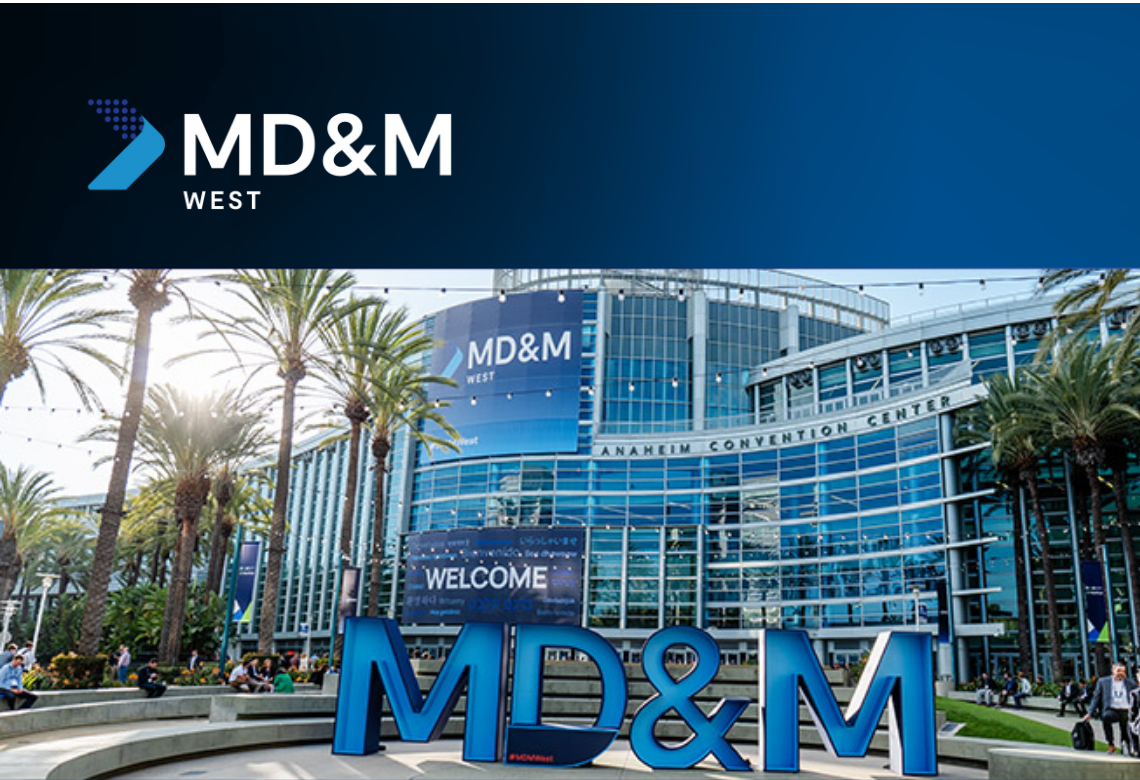
MD&M West brings together the MedTech and broader manufacturing ecosystem in Anaheim, connecting teams across design, production, automation, and supply networks.
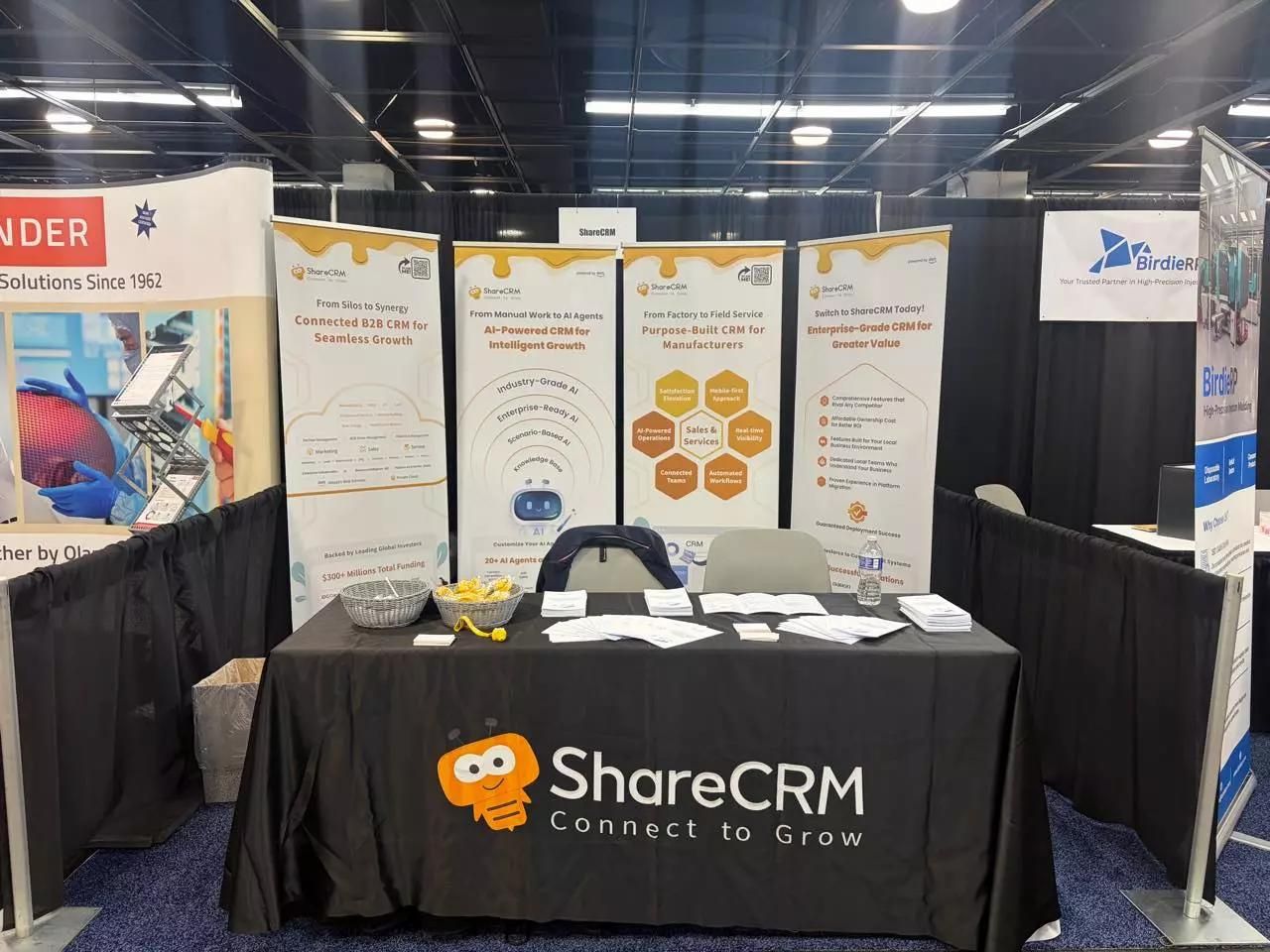
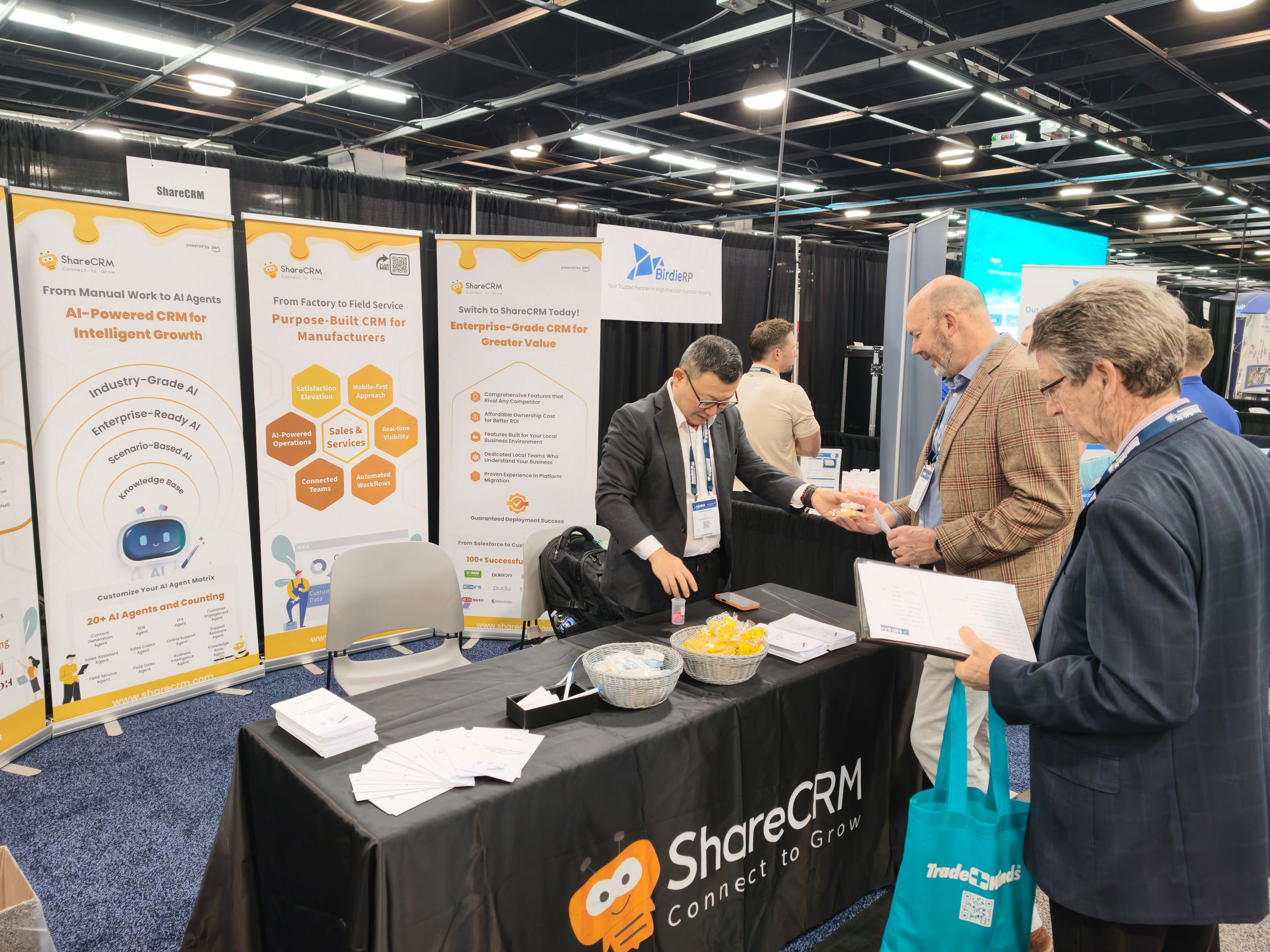
This year, the ShareCRM team joined MD&M West in Anaheim from Feb 3–Feb 5, meeting with medical manufacturing companies to better understand what’s changing in day-to-day execution—especially in long, complex sales cycles where cross-functional handoffs and documentation matter.
Why CRM matters more in medical manufacturing than most industries
Medical manufacturing sales isn’t just “sell → win → done.” In many cases, it’s a long, multi-stakeholder cycle where commercial progress depends on operational discipline:
- Long cycles + many decision-makers (engineering, quality, procurement, operations)
- High information density (specs, revisions, compliance-related documentation)
- Frequent handoffs across roles and teams
- Precision in follow-up because delays and misalignment compound quickly
In this environment, CRM isn’t a nice-to-have database. It’s the system that prevents momentum from leaking during the months between first contact and a signed agreement.
The most common breakdown: handoffs and “lost context”
Across medical manufacturing organizations, the failure mode looks similar:
- Account context gets fragmented
Key contacts, requirements, and meeting notes live across email threads, spreadsheets, and personal inboxes. - Opportunity stages aren’t consistent
Different teams interpret “qualified,” “proposal,” and “negotiation” differently—making forecasting unreliable and slowing decisions. - Quote and document versions drift
When specs change (as they often do), teams struggle to keep everyone aligned on the latest version and the true status. - Post-sale handoff breaks continuity
After a deal is won, delivery and service teams inherit incomplete context—creating friction exactly when trust matters most.
A CRM that’s built for real execution solves this by making the “next step” visible, accountable, and trackable.
What medical manufacturing teams should expect from a CRM
If you’re evaluating CRM for a medical manufacturing business, here’s a simple way to judge whether it will support real adoption:
- End-to-end visibility: Can you track account → opportunity → quote → follow-ups in one place?
- Handoff structure: Are there defined fields, owners, and required checkpoints for cross-team handoffs?
- Traceable activity history: Can stakeholders quickly see what happened, what changed, and what’s next?
- Process flexibility: Can stages, fields, and workflows match your reality without heavy IT cycles?
- Execution discipline: Does it encourage consistent follow-up and clean pipeline hygiene?
When these basics are strong, you reduce the cost of coordination—and increase the odds of sustained adoption.
Where ShareCRM fits
ShareCRM is an AI-powered, customizable enterprise CRM designed to connect processes across marketing, sales, and service—so teams can run execution with better visibility and fewer handoff failures.
For medical manufacturing teams, the goal is simple: keep long-cycle opportunities moving by ensuring the right information is accessible, current, and actionable across roles.

Closing: what we’re taking forward after MD&M West
Events like MD&M West are most valuable because they surface the operational constraints that don’t show up in feature checklists—handoffs, documentation rigor, pipeline hygiene, and day-to-day visibility.
If you’re in medical manufacturing / MedTech and working to reduce friction in long-cycle sales execution, we’d be glad to compare notes on your process and priorities. Contact Sales here