What Are Customer Relations?
Customer relations refer to how a business manages and nurtures its interactions with customers across the entire lifecycle, from the first introduction to long-term loyalty. It includes communication, service quality, handling issues, understanding customer needs, and building trust over time.
Unlike one-off transactions, strong customer relations focus on:
- Long-term satisfaction
- Repeat business
- Positive sentiment
- Brand loyalty
Good customer relations ensure customers feel valued, understood, and supported.
What CRM Really Means
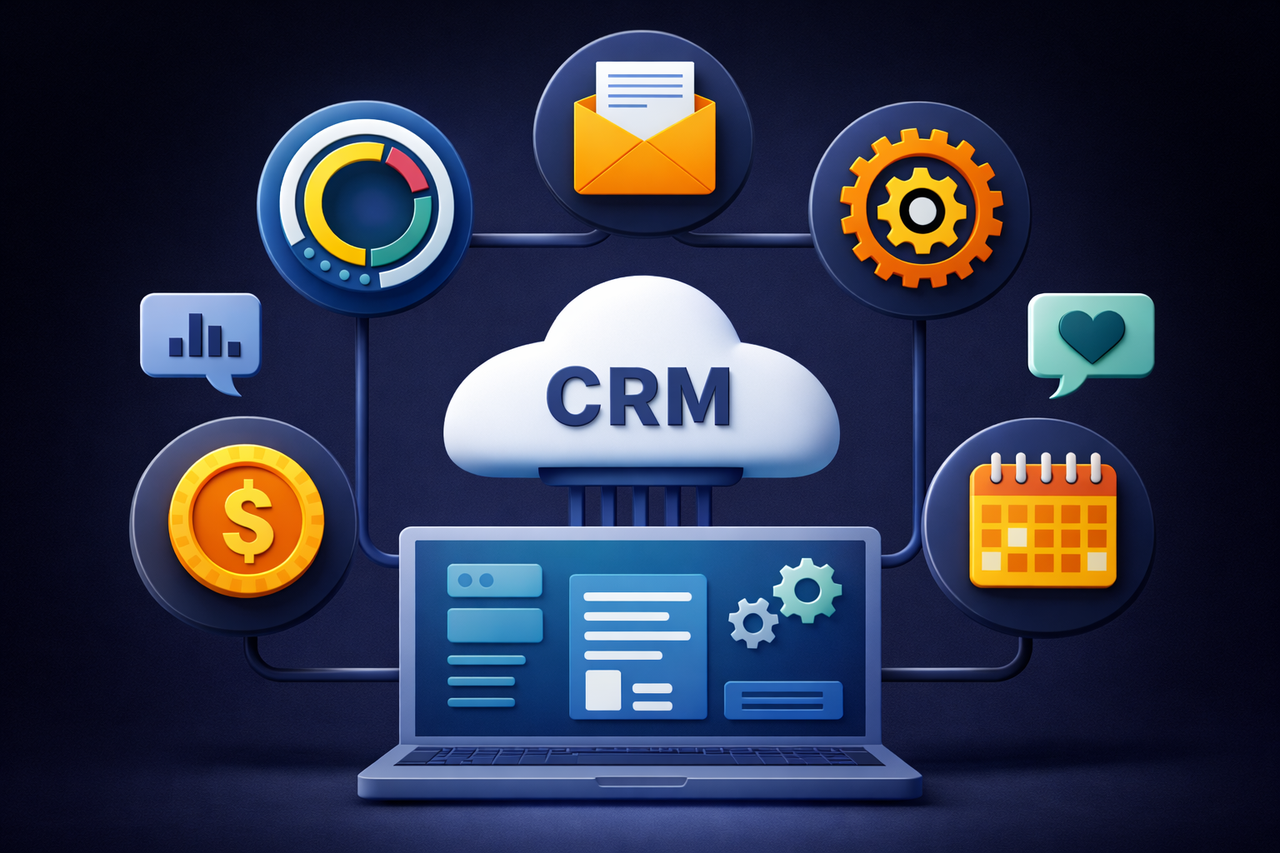
CRM (Customer Relationship Management) is the strategy and system businesses use to manage these customer relationships. A CRM platform stores customer data, tracks interactions, organizes communication, and helps teams deliver consistent experiences.
With CRM, companies can:
- Centralize customer information
- Track sales and support history
- Personalize communication
- Understand customer motivations and challenges
- Improve coordination between sales, marketing, and support
CRM is essentially the operational engine behind great customer relationships.
How Customer Interactions Shape the Experience
Every touchpoint influences a customer’s perception—from marketing emails to support conversations to follow-up calls. Even small actions (remembering past interactions, solving issues quickly, offering helpful suggestions) create a sense of care.
Better interactions = stronger relationships.
Poor interactions = lost trust and churn.
That’s why customer relations must be a company-wide effort. Every team plays a role.
Why Customer Relations Can Make or Break Your Business
Strong customer relations are not just “nice to have”—they determine growth, stability, and competitiveness.
Customers today have endless choices. If interactions feel confusing, slow, or impersonal, they quickly switch to a competitor.
What You Gain From Strong Customer Loyalty
Loyal customers:
- Buy more frequently
- Spend more over their lifetime
- Refer to new customers
- Provide valuable feedback
- Stay through market fluctuations
Because acquiring new customers costs far more than retaining existing ones, loyalty directly boosts profitability and predictability.
How Better Relationships Boost Revenue
Better customer relations lead to:
- Higher customer lifetime value
- Better sales per customer
- Reduced churn
- Stronger brand trust
- Clearer insight into customer needs
Companies that consistently deliver excellent experience outperform competitors in both revenue and retention. Customer relations become a strategic differentiator.
Your Essential Guide to CRM Software
CRM software helps manage, streamline, and improve customer relations by centralizing data and coordinating interactions across teams.
What CRM Software Does for Customer Relationships
With CRM, businesses can track:
- Customer history and preferences
- Sales stages and opportunity progress
- Past communication and follow-ups
- Customer segments
- Support requests and resolutions
This allows teams to personalize interactions and respond with context, not guesswork.
For example:
- Sales can see previous purchases before making recommendations
- Support can view past issues and resolve new ones faster
- Marketing can send targeted campaigns to the right audience
Automating and Personalizing Customer Communication
CRM platforms automate routine tasks—without losing authenticity.Automation includes:
- Welcome emails
- Follow-up reminders
- Renewal notifications
- Personalized recommendations
- Trigger-based messages
The result:
Less manual work, more meaningful customer engagement.
What Excellent Customer Service Actually Looks Like
Customer service is a core pillar of customer relations. Great service builds trust, reduces frustration, and turns negative situations into loyalty-building opportunities.
The Three Pillars of Excellent Customer Service
1. Efficiency
Fast, reliable responses show customers they matter.Examples:
- Quick replies across channels
- Clear SLAs for response and resolution times
2. Accessibility
Customers want convenient help through channels they prefer:
- Phone
- Live chat
- Social media
- Self-service knowledge base
3. Respectfulness
Empathy, patience, and professionalism turn stressful moments into opportunities to strengthen relationships.
Helping Customers Feel Supported
Great support teams:
- Listen before offering solutions
- Understand the root cause of issues
- Provide clear, human communication
- Follow up to ensure satisfaction
- Anticipate problems before they get bigger
Excellent service builds confidence and drives repeat business.
Why Personalization Makes Customers Feel Valued
Modern customers expect tailored experiences , not generic messaging. Personalization helps them feel recognized and appreciated.
Creating Recommendations Customers Actually Want
Using CRM data, companies can:
- Suggest relevant products
- Offer targeted promotions
- Provide helpful bundles or add-ons
- Anticipate needs based on past behavior
This increases satisfaction and boosts conversions.
Making Every Message Feel Genuine
Personalized communication goes beyond using a name. Examples include:
- Segment-specific emails
- Tailored live-chat responses
- Birthday or anniversary rewards
- Support follow-ups referencing past conversations
Small touches build connection and loyalty.
How Customer Feedback Transforms Your Business
Feedback helps businesses understand what customers love, dislike, or need next. It’s essential for continuous improvement.
Collecting Feedback That Matters
Effective feedback channels include:
- Online surveys
- Post-purchase questionnaires
- Social listening
- Customer interviews
- Heatmaps and usability tests
- Product reviews and ratings
Good feedback is easy to give and tied to specific experiences.
Turning Insights Into Better Experiences
Feedback helps companies:
- Improve product design
- Fix pain points early
- Enhance customer communication
- Adjust pricing or service models
- Identify unmet needs
Using analytics (descriptive and predictive), businesses can refine the customer experience and stay competitive.
In Summary
Customer relations determine whether a business earns trust, loyalty, and long-term growth. CRM strengthens these relationships by organizing customer information, automating communication, and helping teams deliver consistent, personalized experiences. When companies combine excellent service, thoughtful personalization, and meaningful feedback, they build customer relationships that last—and set themselves apart in a competitive market.