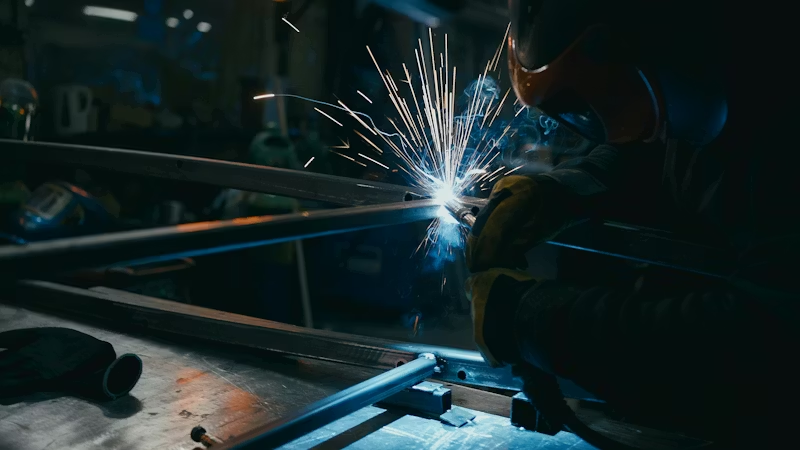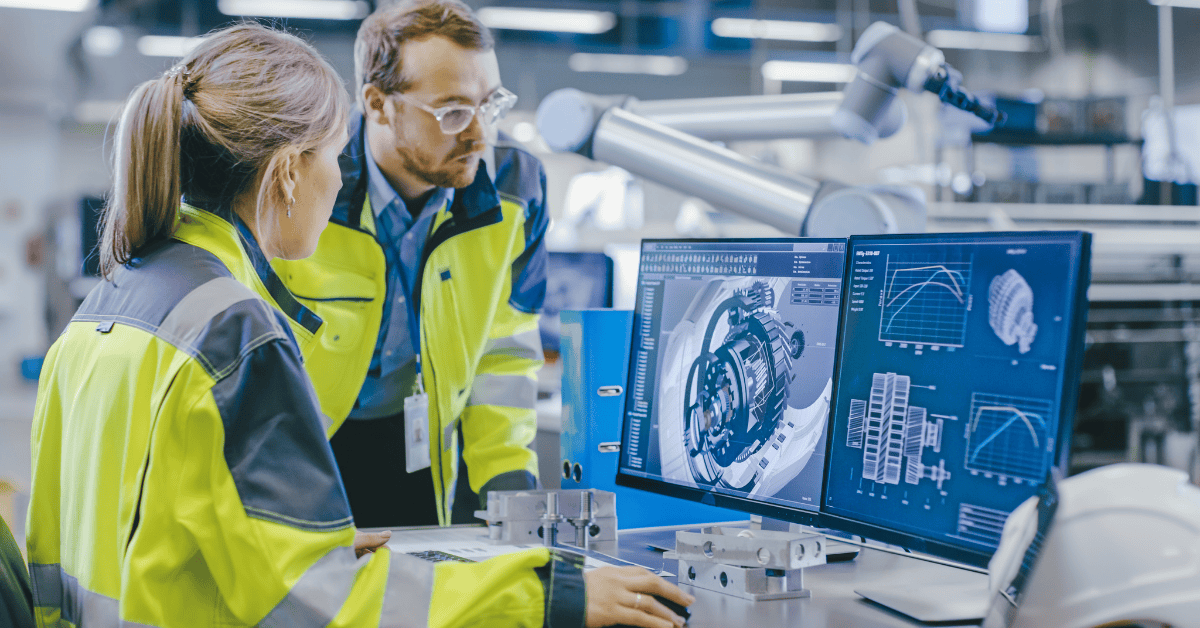
Manufacturers focus on building products, not creating anxiety. Yet for long established manufacturing companies, sustaining healthy growth in today’s complex environment is far from easy.
A leading industrial automation provider recognized this challenge early. As a company specializing in automation instruments and integrated solutions, it leveraged a CRM platform to break organizational silos, enhance collaboration, and reshape its growth curve through digital transformation.
Why Industrial Automation Requires Stronger Digital Foundations
Industrial automation is a highly technical segment where production relies on advanced systems and intelligent devices such as PLC and SCADA platforms, sensors, and industrial robots. This industry typically features long project cycles, high customer dependence, strong demand for technical support, and long term cooperation with major clients.
To respond effectively to these characteristics, the company implemented a CRM system that connects sales, marketing, engineering, and production. This created synchronized information flows and streamlined the entire commercial and operational value chain.
The transformation focused on three major areas that directly affect business growth:
• Opportunity management
• Order and contract digitalization
• End to end engineering and project delivery
Connecting Opportunities, Orders, and Implementation Through CRM and ERP
In manufacturing, opportunity management functions much like project management because every opportunity carries technical complexity, long sales cycles, and customized requirements. After opportunities move forward, project management becomes the operational extension that ensures successful delivery.
By connecting these phases within CRM, manufacturers can achieve:
• Full visibility from customer intent to payment
• Traceable and standardized contract and order processes
• Seamless product configuration for complex solutions
• End to end digital engineering workflows from site survey to final acceptance
Through deep integration with ERP, departments no longer operate with isolated data. Information flows automatically, reducing manual effort and preventing miscommunication.
This approach transforms traditionally complex technical workflows into structured, traceable, and collaborative digital processes. It supports the precision management required for long cycle projects and enables efficient coordination across the full value chain.
Manufacturing Requires CRM That Covers the Entire Value Chain
Manufacturing enterprises operate across a wide range of scenarios. It is not limited to managing opportunities, orders, or engineering tasks.
Other key scenarios include:
• Technical consultations
• Tender participation and bid management
• Customized production scheduling
• Layered service and maintenance systems
Based on deep understanding of these industry needs, ShareCRM designed an end to end CRM platform that supports ten essential manufacturing business scenarios.
Ten Manufacturing Scenarios Supported by ShareCRM
1. Goal Execution Visibility
Supports companies in planning, breaking down, executing, and evaluating business targets with customer centric insights into markets, customers, competition, and internal capabilities.
2. Digital Marketing and Lead Generation
Helps manufacturers build multichannel lead generation systems, run closed loop marketing activities, and increase conversion efficiency with real time tracking and structured process management.
3. Precision Opportunity Management
Standardizes proven sales processes, classifies opportunities, allocates resources intelligently, uncovers risks early, and improves win rates through milestone driven methods.
4. Accurate and Efficient Quotation Management
Enables rapid product configuration, accurate pricing, and streamlined collaboration across sales, product, engineering, and finance teams. Quotation records become structured and easy to track.
5. Integrated Tender and Bid Management
Allows companies to subscribe to tender information, convert notices into projects instantly, and manage every step of the bidding process including competitor analysis, approvals, pricing, and evaluations.
6. Standardized Project Delivery
Digitizes engineering processes from planning, task execution, risk control, and design to acceptance and revenue recognition. Ensures project transparency, predictability, and quality.
7. Real Time Order Execution and ERP Synchronization
Ensures seamless end to end connection between CRM and ERP so that sales, delivery, logistics, and financial settlement share the same data source without additional manual work.
8. Standardized Service and After Sales Operations
Transforms after sales service from a cost center into a value creation engine through digital processes, proactive service models, and structured service quality tracking.
9. Channel and Partner Collaboration
Supports direct and distributor models with shared visibility across pre sales, sales, and post sales activities. Strengthens control of end customers and improves channel empowerment.
10. Digital Performance Dashboards
Builds data driven management dashboards that reflect real operational performance, support scientific decision making, and help manufacturers achieve sustainable growth.
A CRM Platform Built for Manufacturing Growth
As a customer-centric digital platform designed for the complex workflows of modern manufacturing, ShareCRM delivers industry-proven solutions that help enterprises remove operational bottlenecks, strengthen collaboration, and improve end-to-end efficiency.
Today, more than six thousand medium and large manufacturers across sectors such as industrial automation, electronics, machinery, and robotics rely on ShareCRM to accelerate their digital transformation. These organizations use ShareCRM to streamline sales processes, connect order and project delivery, elevate service quality, and create a unified, data-driven operating model.
With continuous innovation, scalable architecture, and deep industry expertise, ShareCRM is committed to helping manufacturing companies move from fragmented processes to connected operations and from reactive management to sustainable, long-term growth. The platform empowers manufacturers to improve efficiency, enhance profitability, and achieve high-quality development in an increasingly competitive global landscape.